Teeth Cleaning
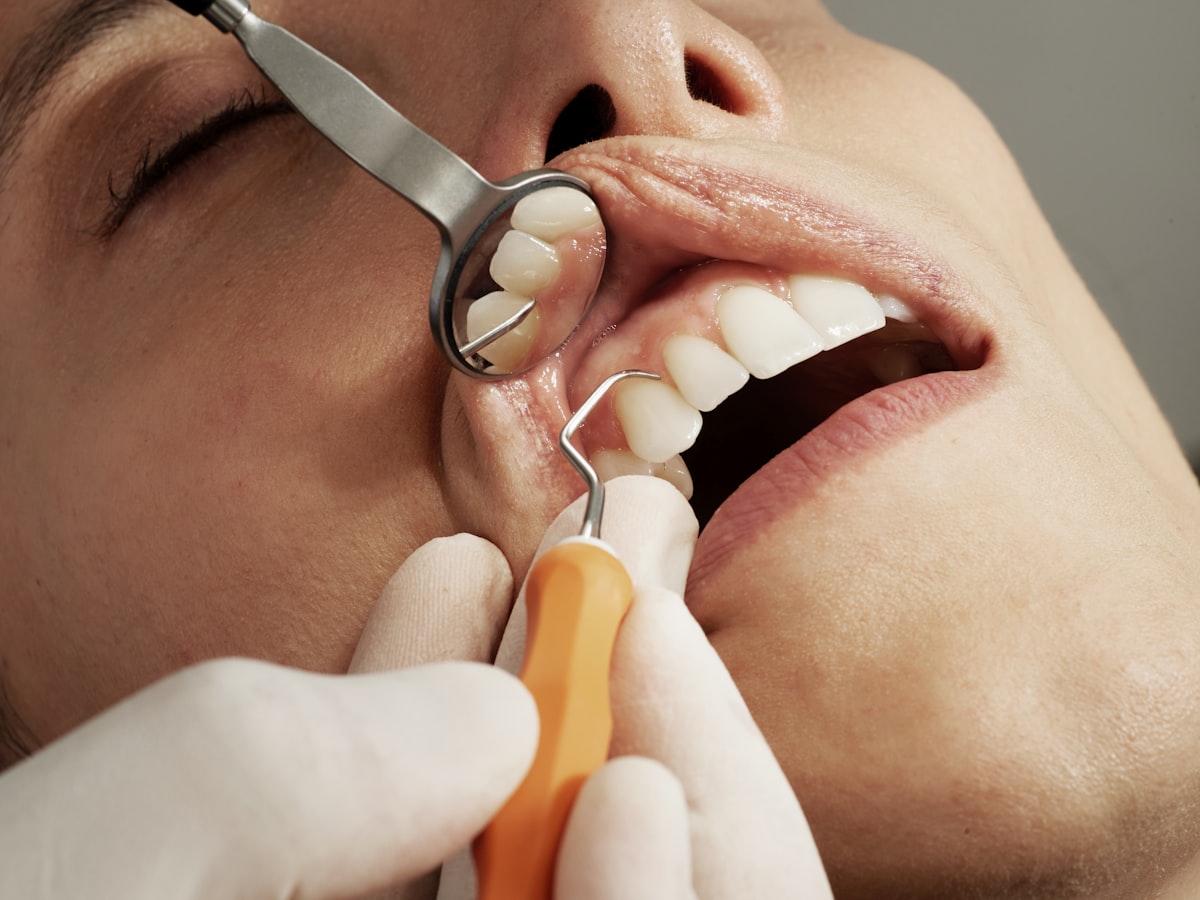
Dental cleanings are routine preventive procedures to maintain oral health, prevent disease, and detect potential issues early. Also known as prophylaxis, a dental cleaning involves the removal of plaque, tartar (calculus), and stains from the teeth to help prevent cavities, gum disease, and other oral health issues.
Typically performed by a dental hygienist under the supervision of a dentist, a dental cleaning appointment includes X-rays, gum measurements, and a visual check for signs of tooth decay, gingivitis, or other concerns. The hygienist uses specialized instruments, such as scalers and ultrasonic devices, to carefully remove hardened tartar and plaque from above and below the gumline. This step is crucial, as plaque contains bacteria that can lead to tooth decay and gum disease if not removed.
Following scaling, the hygienist polishes the teeth using a rotating rubber cup and a gritty, toothpaste-like polish. This step smooths the tooth surfaces, making it more difficult for plaque to accumulate. In some cases, a fluoride treatment may be applied to strengthen enamel and help prevent cavities, especially for patients at higher risk for decay.
Dental cleanings are usually recommended every six months, though patients with periodontal disease or other oral health concerns may require more frequent visits. Regular cleanings support overall health, as poor oral hygiene has been linked to systemic conditions such as heart disease, diabetes, and respiratory infections.
In addition to the physical cleaning, dental appointments provide an opportunity for education and personalized guidance on oral hygiene habits, including brushing, flossing, and diet. Early detection of issues during cleanings can lead to more effective and less invasive treatment.
Overall, professional dental cleanings are a cornerstone of preventive dentistry, promoting a healthy mouth, fresh breath, and long-term wellness.